
A Sleep Health and Safety Conversation with Mark R. Rosekind, PhD
Drowsy driving is impaired driving and is responsible for more than one in every five crash-related fatalities. For 18 years, NSF has hosted Drowsy Driving Prevention Week® to address this preventable form of impaired driving and to help everyone Sleep First. Drive Alert.® With the 2026 campaign approaching, NSF spoke with Mark Rosekind, PhD to learn more about the purpose and promise of technological advances in our vehicles and their role in helping prevent drowsy driving crashes.
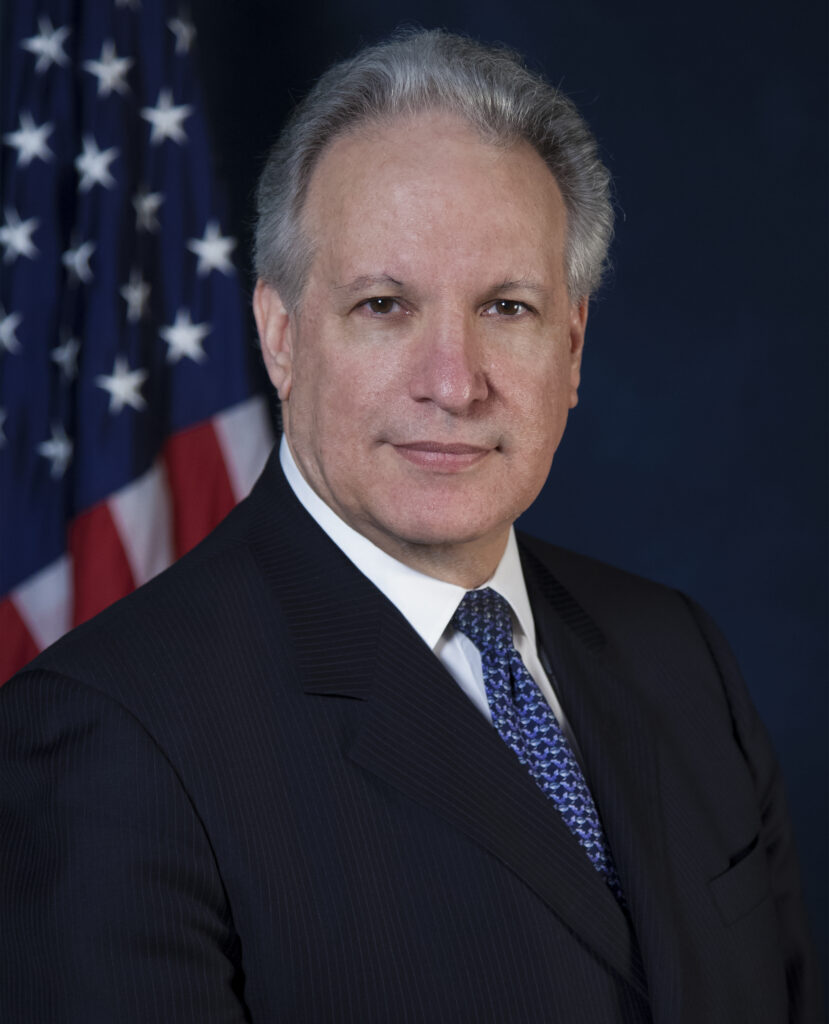
Dr. Rosekind is a dynamic and visionary safety, sleep, and policy leader with more than 35 years of experience enacting strategic, practical, and effective data-based solutions that enhance safety and health in complex environments. Dr. Rosekind currently sits on the NSF Board of Directors. He previously was confirmed and served as the 15th Administrator of the National Highway Traffic Safety Administration (NHTSA) and as the 40th Member of the National Transportation Safety Board (NTSB). Previously, he directed the Fatigue Countermeasures Program at NASA Ames Research Center.
Technology Assessment & Evolution
How has sleep science defined physiological and behavioral markers of drowsiness?
Foundational to this discussion is understanding that determining wake and sleep is defined by physiological measures of brain, eye, and muscle activity. For example, the gold standard to measure sleepiness/alertness uses these measures. Efforts over the past several decades have explored methods outside of the laboratory to monitor these physiological measures in real-world settings and develop surrogate (often behavioral) measures that allow evaluation during actual operations.
How well do the current technology solutions align with the sleep science? From a sleep health perspective, how accurately do current detection methods—like eye tracking, steering pattern analysis, or heart rate monitoring— capture the presence or severity of drowsiness that causes impaired driving?
There are many exciting technology innovations and surrogate measures that have emerged to address impairment related to drowsy driving. Technologies that can effectively identify drowsy driving represent an opportunity to save lives and prevent injuries and crashes on our roads. However, many claims are made about these technologies. We are at a critical moment when there is a need for data that demonstrate the effectiveness, validity, specificity, and sensitivity of these technologies. These data will help determine what claims may lead to life-saving solutions and others that may be ineffective. A lot of work is needed in this area, especially prior to deployment in vehicles on public roads.
If driver monitoring systems (DMS) are proven to be effective at detecting drowsiness, what are the other emerging opportunities to help solve this problem beyond detection?
This is a fundamental aspect of effectively addressing drowsy driving: detection/identification of drowsiness is only the first step. There are two more essential aspects: 1) feedback and 2) expected actions. Once drowsy driving is identified, how is the information provided to a driver? Is feedback auditory, visual, haptic or a combination? What method alerts the driver without a startle response? Once informed, what actions are expected of the drowsy driver? These might include safe driving actions and/or fatigue countermeasures. It seems there has been more focus on the detection of drowsy driving with a need to better understand the most effective feedback mechanisms and safest expected actions. Again, data will be important to substantiate effectiveness beyond claims.
Implementation & Regulation
Should drowsy driving detection technology be mandated in vehicles, similar to backup cameras or other Federal Motor Vehicle Safety Standards (FMVSS) or is voluntary adoption by manufacturers sufficient?
Typically, we see safety technology innovation followed by data-driven best practices leading to regulation. We are definitely in an exciting period of technology safety innovations and need to drive toward data-driven best practices. We did this with automatic emergency braking (AEB). A coalition (NHTSA, auto manufacturers, safety organizations) developed a voluntary agreement that brought AEB into almost every new vehicle manufactured by 2022 (years faster than the regulatory process). This commitment was met by the manufacturers, democratizing this safety technology. Recent data demonstrate that vehicles with AEB show over a 50% reduction in rear-end crashes. NHTSA has now issued a regulation building on the initial agreement and supported by data. Drowsy driving detection and mitigation systems can follow this same path.
Are there currently regulations that may accelerate the inclusion and adoption of these technologies, and what regulatory challenges do you foresee as these technologies become more sophisticated and potentially more integrated?
Congress has mandated that NHTSA require technology in vehicles to detect alcohol impairment. While acknowledging that the regulatory process is long and involved, it is a clear sign there are expectations that new safety technologies should address impaired driving. Whether alcohol, drugs, distraction or drowsiness, any impairment is a road safety risk that should be addressed. The challenges include managing the similarities and differences associated with the mechanisms that lead to impaired driving. Also, technology continues to evolve, often quickly, and there needs to be a clear mechanism to ensure that enhancements are integrated and deployed to ensure the highest level of safety benefit to road users.
Are there other opportunities to consider?
The New Car Assessment Program (NCAP) run by NHTSA is another mechanism to highlight and encourage the adoption and implementation of technology for detecting drowsy driving and other impairments. NCAP is the program that provides the safety ratings (stars) on the Monroney label affixed to every new vehicle. The European NCAP already includes impairment detection technology in its rating system.
Real-World Effectiveness
What driver attitudes and behaviors around drowsy driving do you think are most critical to change, and how might technology initiatives support or help promote those behavioral shifts for good sleep habits?
Real change will only come about when we use all effective tools available. Education is a fundamental prevention tool needed to effect real change: people need to understand the importance of sleep for their health and safety. There is a cost when sleep needs are not met. With drowsy driving, those costs can be very high including lives lost and injuries. Education also can set societal expectations, clearly stating that drowsy driving is impaired driving, and is not acceptable. Technology is another tool that can complement the attitude and behavioral changes that emerge from education.
How do we ensure these technologies complement rather than substitute for the primary solution—getting adequate sleep—while still encouraging preventive behaviors like using rideshare services when drowsy?
This can be a real concern: ‘I can just keep driving until my drowsy driving alert sounds.’ An integrated approach that educates for attitude and behavior change combined with technology detection and mitigation will be critical. Prevention can involve sleep first, planning for alternate transportation, designated drivers, and other strategies while complementary technology can be useful in the ‘moment’, on the road for detection and mitigation.
How alike or different are the core messages for drowsy driving and drunk driving when it comes to choices drivers can make, and can technology help reinforce the similarities?
The four ‘Ds’, drunk, drugged, distracted, and drowsy share impairment attributes that can create significant safety risks on our roads. The shared attributes, especially those related to vehicle behavior, can be useful in addressing impaired driving risk regardless of the mechanism. Some methods for detection will be dependent on the differences: an alcohol sensor might need to be different than a sensor for phone use. Certainly, the feedback and mitigation strategies may differ based on the specific impairment mechanism.
Future Vision
Looking ahead, will it be long before in-car technologies interface with predictive technologies that can analyze drivers’ sleep patterns, work schedules, or other personal data and recommend to people when not to drive? Would this level of mitigation be sufficient?
Technology will continue to evolve . . . we already have wearables that track sleep, calendar schedules that are easily shared, and AI/ML efforts use large databases to extract information that could be used for further prevention and feedback. These enhancements could bring better detection, more precise feedback, and more effective mitigation actions. Let’s ensure that education remains the foundation to these technology safety innovations.
Beyond delivering technologies for real-time detection of drowsy driving, what kind of companies are best suited to engage customers more broadly around their sleep and driving decisions and how might they do it?
NSF has just published a position statement and call to action that identifies the opportunities for drivers, educators, government policy makers, healthcare professionals, industry, labor representatives, employers, and law enforcement to address this important road safety issue. This highlights the need for involvement and efforts across many groups to reduce drowsy risks and increase our nation’s sleep health and safety.